
Social Media & The Role of a Social Media Specialist (2026 Guide)
Discover how social media specialists turn likes, shares, and trends into real business growth in 2026.
BLOGS
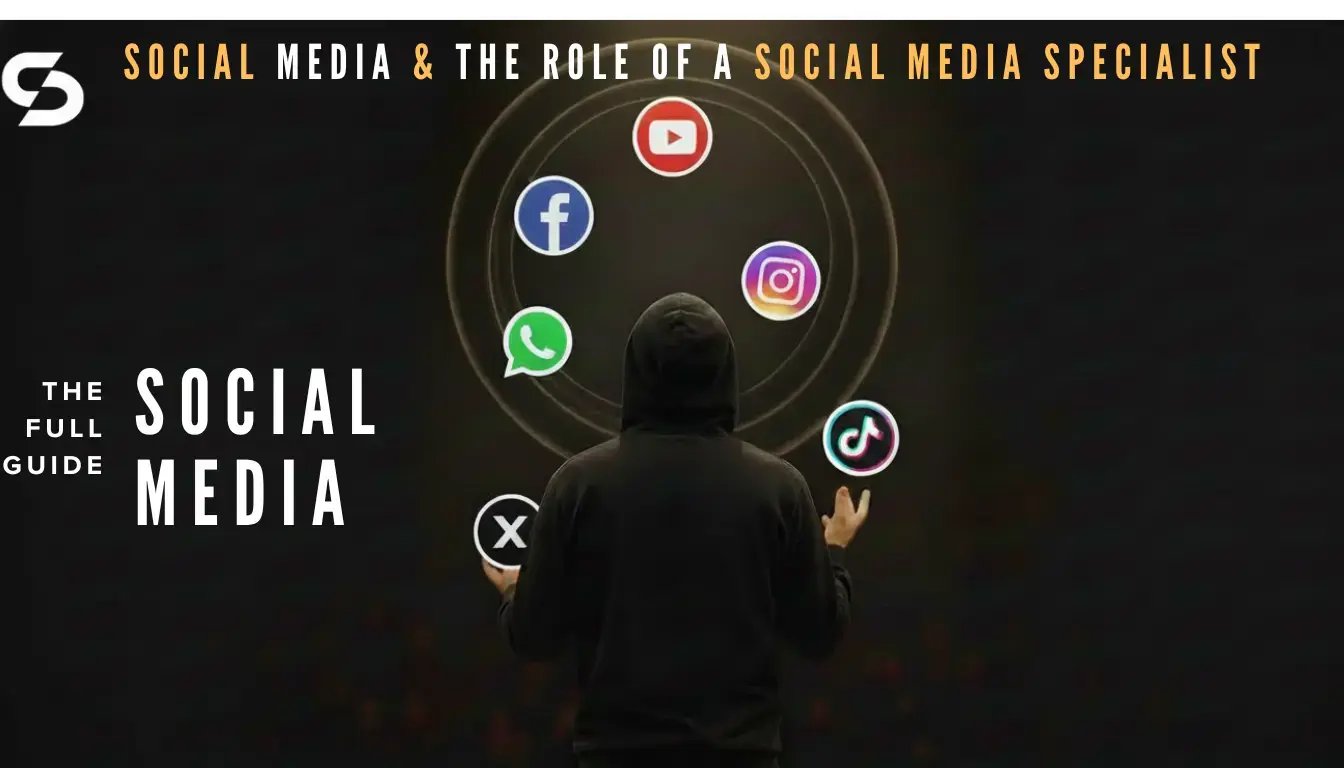
Understanding Social Media in 2026
What Is Social Media Today?
Social media in 2026 is far more advanced than the simple networking platforms that existed a decade ago. Today, social media platforms act as communication hubs, entertainment channels, digital marketplaces, and branding engines all at the same time. People no longer use these platforms only to connect with friends; they use them to discover products, follow brands, learn skills, consume entertainment, and even build careers. Platforms like Instagram, TikTok, YouTube, LinkedIn, and Snapchat have evolved into ecosystems where users spend hours each day interacting with content. Imagine social media as a giant digital marketplace where attention is the most valuable currency. Every post, reel, video, or tweet competes for that attention. Brands are constantly trying to capture the interest of their audiences through engaging storytelling, creative visuals, and interactive experiences. The difference between success and invisibility often comes down to how well a brand understands its audience and communicates with them.
This is where the role of a Social Media Specialist becomes extremely important. Businesses can no longer rely on random posts or occasional updates. Social media requires strategy, creativity, analytics, and constant optimization. A Social Media Specialist is the professional who manages this complex process, ensuring that a brand’s voice stays consistent, engaging, and aligned with business goals.
In 2026, social media is also deeply integrated with technologies like AI content creation, social commerce, influencer marketing, and data analytics. This integration has made social media one of the most powerful marketing channels in the world. Companies that understand how to leverage it properly can reach millions of potential customers instantly, while those that ignore it risk becoming invisible in an increasingly digital marketplace.
Global Social Media Growth in 2026
The scale of social media usage in 2026 is staggering. Recent digital reports estimate that over 5.6 billion people worldwide use social media, which represents more than two-thirds of the global population. That means most people on the planet interact with social platforms in some way every day. Even more impressive is the speed of adoption. Millions of new users join social platforms each month as internet access continues expanding across developing regions.
Another key statistic is the time users spend on these platforms. On average, people spend over 2 hours and 20 minutes per day on social media. When you think about it, that is nearly the same amount of time many people spend watching television. For marketers and businesses, this presents an enormous opportunity. Social media has essentially become the modern version of prime-time advertising, except it allows precise targeting and real-time engagement.
Social commerce has also exploded in popularity. In 2026, users are no longer just discovering products on social media—they are buying directly inside the apps. Features like Instagram Shops, TikTok Shop, and Facebook Marketplace have transformed social media into powerful sales channels. Experts estimate that global social commerce revenue could surpass $1.2 trillion in the next few years, highlighting how important these platforms have become for business growth.
Because of this rapid expansion, companies need professionals who understand how to navigate these digital environments effectively. A skilled Social Media Specialist understands algorithms, content trends, audience behavior, and platform features. They use this knowledge to help brands build communities, increase engagement, and ultimately drive revenue.
Why Social Media Matters for Businesses
Brand Awareness and Visibility
One of the biggest advantages of social media is its ability to create brand awareness at an unprecedented scale. In the past, businesses had to spend massive amounts of money on television advertisements or billboards to reach large audiences. Today, a creative social media campaign can reach millions of users organically if it resonates with the right audience.
Think about how quickly a viral video spreads. A single piece of content can be shared, liked, and reposted thousands of times within hours. This viral effect allows brands to gain massive visibility without necessarily spending huge advertising budgets. Social media platforms reward engaging content by pushing it to wider audiences through algorithms that prioritize interaction and relevance.
Another powerful aspect of social media visibility is authentic storytelling. Modern audiences prefer brands that feel human and relatable rather than overly corporate. Social media allows businesses to show their personality, share behind-the-scenes content, highlight customer stories, and interact directly with followers. This human connection builds trust and loyalty over time.
A Social Media Specialist plays a critical role in shaping this brand image. They carefully plan content strategies, maintain visual consistency, and craft messages that resonate with the target audience. Their goal is not just to post content but to build a recognizable and memorable brand presence across multiple platforms.
Social Media as a Sales Channel
While brand awareness is important, social media has evolved into something even more powerful: a direct sales engine. In 2026, social media platforms are fully integrated with e-commerce systems, allowing users to discover, evaluate, and purchase products without leaving the app. This seamless shopping experience has completely changed the way consumers interact with brands.
Consider how often people discover products while scrolling through Instagram or TikTok. A user might see a product in a short video, read comments from other buyers, watch a review from an influencer, and purchase the item—all within a few minutes. This frictionless buying journey makes social media one of the most efficient marketing channels available today.
Businesses that understand how to leverage social commerce can significantly increase their revenue. However, success requires strategic planning. Brands must produce engaging content, collaborate with influencers, optimize product listings, and monitor audience behavior. Without proper management, even the best products may go unnoticed.
This is where Social Media Specialists demonstrate their value. They analyze performance data, identify trending topics, optimize posting schedules, and test different types of content. Their role is to ensure that social media not only generates attention but also converts that attention into measurable business results.
Who Is a Social Media Specialist?
Definition and Core Responsibilities
A Social Media Specialist is a marketing professional responsible for managing a brand’s presence across social media platforms. Their primary goal is to create engaging content, build online communities, and drive measurable results such as website traffic, leads, or sales.
Unlike casual users who post content randomly, Social Media Specialists operate with a clear strategy. They research target audiences, analyze competitors, track performance metrics, and continuously optimize campaigns. Their work sits at the intersection of creativity and data analysis, making it one of the most dynamic roles in modern digital marketing.
A typical day for a Social Media Specialist might involve planning content calendars, designing graphics, writing captions, responding to comments, monitoring analytics, and collaborating with marketing teams. They also stay updated on platform changes, algorithm updates, and emerging trends to ensure their strategies remain effective.
The role requires a unique combination of skills. Creativity is essential for producing engaging content, but analytical thinking is equally important for understanding performance metrics. Social Media Specialists must constantly experiment, test new ideas, and adapt to the rapidly changing digital landscape.
Social Media Specialist vs Social Media Manager
Although the terms are sometimes used interchangeably, Social Media Specialists and Social Media Managers typically have different responsibilities. Understanding this distinction can help businesses structure their marketing teams more effectively.
Role Main Focus Responsibilities Social Media Specialist Execution Content creation, posting, engagement, analytics Social Media Manager Strategy Campaign planning, team leadership, overall strategy
A Social Media Specialist focuses on day-to-day operations such as creating posts, interacting with followers, and analyzing performance data. They ensure that the brand’s social media channels remain active, engaging, and aligned with the overall marketing strategy.
A Social Media Manager, on the other hand, often oversees the bigger picture. They develop long-term strategies, manage budgets, coordinate with other departments, and supervise specialists or content creators. In smaller companies, one person may handle both roles, but larger organizations typically separate them to improve efficiency.
Essential Skills for a Social Media Specialist in 2026
Creative and Content Skills
Creativity is at the heart of social media success. In a digital world filled with endless content, only the most engaging posts capture attention. Social Media Specialists must understand storytelling, visual design, and audience psychology to create content that stands out.
Video content has become particularly important. Short-form videos dominate platforms like TikTok, Instagram Reels, and YouTube Shorts. Specialists must know how to craft compelling videos that grab attention within the first few seconds. This requires strong editing skills, creative storytelling, and a deep understanding of platform trends.
Another essential skill is copywriting. Captions may seem small, but they can significantly influence engagement. A well-written caption can encourage users to comment, share, or click on a link. Social Media Specialists often use humor, curiosity, and emotional triggers to spark interaction.
Visual branding is also critical. Consistent colors, fonts, and design styles help audiences instantly recognize a brand. Specialists often collaborate with graphic designers or use tools like Canva and Adobe Creative Suite to maintain visual consistency across all content.
Analytical and Marketing Skills
While creativity attracts attention, data determines success. Social Media Specialists must constantly analyze performance metrics to understand what works and what doesn’t. Metrics such as engagement rate, reach, click-through rate, and conversion rate provide valuable insights into audience behavior.
Analytics tools allow specialists to identify patterns and trends. For example, they may discover that videos perform better than images or that posts published at certain times receive higher engagement. By analyzing this data, they can refine their strategies and improve future campaigns.
Another important skill is understanding digital marketing principles. Social media does not operate in isolation; it works alongside SEO, email marketing, and paid advertising. Specialists must understand how these channels interact and support each other.
In 2026, data-driven decision-making has become a key differentiator between average marketers and top-performing professionals. Social Media Specialists who combine creativity with analytical thinking are the ones who consistently deliver measurable results.
Conclusion
Social media has evolved into one of the most influential forces in modern marketing. With billions of users worldwide and constantly evolving technologies, these platforms offer businesses unprecedented opportunities to connect with audiences, build communities, and drive revenue. However, success in this environment requires more than simply posting content—it requires strategy, creativity, and data-driven decision-making.
That is exactly why the role of a Social Media Specialist has become so important. These professionals serve as the bridge between brands and online communities. They understand platform algorithms, audience behavior, and content trends, allowing them to craft campaigns that capture attention and generate meaningful engagement.
As we move further into 2026 and beyond, social media will continue evolving with new technologies like artificial intelligence, immersive experiences, and advanced analytics. Businesses that invest in skilled Social Media Specialists will be better positioned to adapt to these changes and remain competitive in the digital marketplace.
FAQs
1. What does a Social Media Specialist do daily?
A Social Media Specialist typically plans content, creates posts, schedules updates, responds to comments, analyzes performance metrics, and monitors trends across social media platforms.
2. What skills are required to become a Social Media Specialist?
Key skills include content creation, copywriting, analytics, creativity, marketing strategy, video editing, and knowledge of social media algorithms.
3. Is Social Media Specialist a good career in 2026?
Yes. With businesses increasingly relying on digital marketing, demand for social media professionals continues to grow across industries worldwide.
4. What tools do Social Media Specialists use?
Common tools include scheduling platforms, analytics dashboards, design tools, social listening tools, and advertising managers for running paid campaigns.
5. How long does it take to become a Social Media Specialist?
Many people develop the necessary skills within 6–12 months through practice, online courses, and hands-on experience managing social media accounts.

GET in touch
2026 Spark Marketing All rights reserved.©
sPARK mARKETING