
Graphic Designing: To skyrocket in 2026
Graphic Designing: The Complete Guide to Creativity, Strategy, and Career Growth in 2026
BLOGS
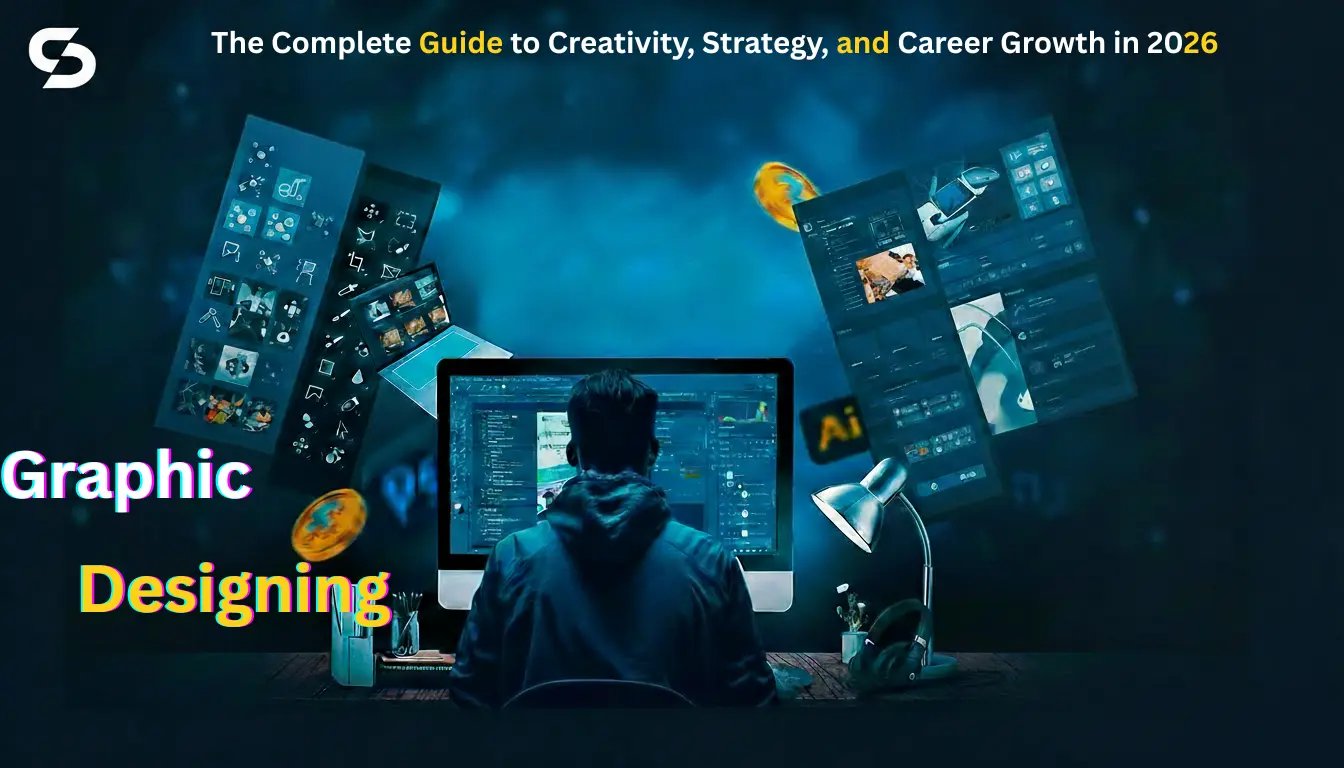
What Is Graphic Designing?
Graphic designing is the art and science of visual communication. It combines creativity, psychology, strategy, and technology to deliver messages visually. Every logo you recognize, every Instagram ad that grabs your attention, every product package that makes you stop and think—that’s graphic design at work. It’s not just about making things “look good.” It’s about making them work.
At its core, graphic design solves problems. Imagine a brand struggling to connect with customers. A designer steps in and creates a visual identity that communicates trust, energy, or luxury. Suddenly, people feel something. That feeling drives action. That’s power.
The Core Purpose of Visual Communication
Design translates ideas into visuals. Instead of explaining everything with words, designers use shapes, colors, fonts, and layouts to guide the viewer’s mind. Think about traffic signs. They communicate instantly without long explanations. That clarity is the goal of good design.
In marketing, strong visual communication increases engagement and brand recall. Studies show that people remember visuals up to 65% better than text alone. That’s why businesses invest heavily in professional design services.
Difference Between Graphic Design and Digital Art
People often confuse graphic design with digital art. Digital art focuses on expression and creativity without constraints. Graphic design, on the other hand, has a purpose. It serves a business goal, communicates a message, or solves a problem.
An artist paints emotions. A designer crafts experiences with intention.
The Evolution of Graphic Design From Print to Digital Revolution
Graphic design began in print—newspapers, posters, magazines. Designers relied on manual techniques and printing technology. The digital revolution changed everything. Software replaced physical tools, and online platforms became the new canvas.
Today, digital content dominates. Websites, apps, social media posts, and online ads require continuous visual content. Businesses now prioritize digital-first branding strategies.
The Impact of AI on Modern Design
AI tools are transforming workflows. Features like auto-layout, background removal, and smart resizing save hours of manual work. But here’s the truth: AI assists; it doesn’t replace creativity. Strategy, emotional intelligence, and brand storytelling still require human thinking.
Designers who embrace AI tools gain a competitive edge. Those who resist may struggle.
Key Elements of Graphic Designing
Typography
Typography isn’t just choosing a font. It’s choosing a personality. A luxury brand won’t use playful handwritten fonts. A tech startup won’t use traditional serif styles unless it’s strategic. Font pairing, spacing, and hierarchy influence readability and emotion.
Color Theory
Colors trigger emotions. Blue builds trust. Red creates urgency. Green suggests growth. Designers carefully choose color palettes to align with brand identity and audience psychology.
Layout and Composition
Layout organizes information logically. A messy layout confuses viewers. A clean layout guides the eye smoothly. Think of layout as architecture—it structures the message.
Visual Hierarchy
Visual hierarchy determines what the viewer sees first, second, and third. Designers use size, contrast, and placement to control attention flow. Without hierarchy, designs feel chaotic.
Types of Graphic Designing
Branding and Identity Design
Brand identity design builds the visual foundation of a business. This includes logos, color systems, typography, and brand guidelines. A strong identity builds recognition and loyalty.
UI/UX Design
UI (User Interface) design focuses on visual elements of apps and websites. UX (User Experience) ensures usability and smooth interaction. Together, they shape digital experiences.
Social Media and Marketing Design
Social media requires fast, engaging visuals. Designers create ads, carousels, thumbnails, and banners that stop scrolling thumbs. Speed and creativity matter here.
Packaging Design
Packaging design blends marketing and functionality. The product must look appealing while protecting contents and delivering brand messaging.
Essential Tools for Graphic Designers
Industry-Standard Software
Professionals commonly use tools like Adobe Photoshop , Adobe Illustrator , and Figma . Each serves different purposes: photo editing, vector design, and interface design.
Tool Primary Use Best For Adobe Photoshop Image Editing Photography & Social Media Adobe Illustrator Vector Design Logos & Branding Figma UI/UX Design Web & App Interfaces
AI-Powered Design Tools
Platforms like Canva now include AI features for quick content creation. These tools are ideal for beginners and small businesses needing fast results.
Graphic Designing as a Career
Skills Required
A professional graphic designer needs:
Creativity
Communication skills
Technical proficiency
Time management
Understanding of branding
Soft skills matter as much as technical skills. Designers must present ideas confidently and justify creative decisions.
Salary Expectations in 2026
Salaries vary by location and experience. Entry-level designers earn moderate salaries, while senior designers and art directors earn significantly more. Freelancers can earn even higher income depending on client base and specialization.
How to Become a Professional Graphic Designer
Learning Path
You don’t necessarily need a degree. Many designers learn online through courses and practice projects. Platforms like YouTube, Skillshare, and Coursera provide accessible education.
Practice is everything. Design daily. Recreate existing designs. Experiment.
Building a Strong Portfolio
Your portfolio is your proof. Clients don’t care about certificates. They care about results. Showcase real projects, mock brands, and case studies explaining your process.
A strong portfolio tells a story—not just shows images.
The Future of Graphic Designing
Trends to Watch
AI integration
3D design elements
Minimalist branding
Motion graphics growth
Personalized visual experiences
Design is becoming more interactive and immersive. Static visuals are evolving into motion-based storytelling.
Conclusion
Graphic designing is more than aesthetics—it’s strategy, psychology, and storytelling combined. It shapes how brands communicate, how users experience digital products, and how businesses grow in competitive markets. The industry continues to evolve with technology, but the core remains the same: clear communication through powerful visuals.
If you’re considering graphic design as a career, now is a strong time. Demand continues to rise, tools are more accessible, and remote opportunities are expanding globally. The key is continuous learning and adaptability.
Graphic design isn’t just a skill. It’s a language. Once you master it, you can communicate with the world visually.
FAQs
1. Is graphic designing a good career in 2026?
Yes. The industry continues growing due to digital marketing expansion and AI-assisted design workflows.
2. Do I need a degree to become a graphic designer?
Not necessarily. Skills and portfolio matter more than formal education.
3. Which software is best for beginners?
Canva is beginner-friendly, while Adobe tools are industry-standard.
4. Can AI replace graphic designers?
AI assists but cannot replace human creativity, strategy, and emotional understanding.
5. How long does it take to become professional?
With consistent practice, 6–12 months can build strong foundational skills.

GET in touch
2026 Spark Marketing All rights reserved.©
sPARK mARKETING